Blog

  • Japan’s Biggest Defense Shift in Decades: Why Tokyo Is Redefining Its Security Strategy

    For much of the post-World War II era, Japan was recognized as one of the world’s most economically powerful nations while maintaining a relatively restrained military posture. That strategic approach is now undergoing one of its most significant transformations in decades.

    Japanese Defense Minister Gen Nakatani has reaffirmed the country’s commitment to a major military modernization program, arguing that the security environment surrounding Japan has become increasingly complex. Rising military activity by China, continued missile and nuclear development by North Korea, and heightened military cooperation involving Russia have collectively reshaped Tokyo’s assessment of regional risks.

    The shift does not represent a departure from Japan’s long-standing commitment to defensive security. Rather, it reflects an effort to strengthen deterrence in response to a rapidly changing strategic environment.

    The Indo-Pacific Is Becoming the Center of Global Security

    The Indo-Pacific has emerged as one of the world’s most strategically important regions.

    It contains major international shipping lanes, advanced manufacturing centers, critical semiconductor supply chains, and several longstanding territorial disputes.

    As economic competition increasingly overlaps with military rivalry, countries throughout the region are reassessing their defense priorities.

    Japan’s modernization effort reflects this broader regional trend rather than an isolated policy change.

    China Has Become Japan’s Primary Long-Term Security Concern

    Tokyo has repeatedly expressed concern over the growing capabilities of China’s armed forces and the increasing frequency of military operations near Japan’s southwestern islands.

    Japanese officials have also closely monitored developments around the East China Sea and Taiwan Strait, viewing regional stability as closely connected to Japan’s own national security.

    While diplomatic engagement between the two countries continues, defense planners increasingly emphasize preparedness alongside dialogue.

    This dual-track approach seeks to balance deterrence with continued diplomatic communication.

    North Korea Continues to Influence Defense Planning

    North Korea remains another major factor in Japan’s strategic calculations.

    Repeated ballistic missile launches, continued weapons development, and evolving military capabilities have reinforced Tokyo’s focus on missile defense, early warning systems, and rapid-response capabilities.

    Japan views these developments as requiring sustained investment in national defense regardless of broader regional diplomacy.

    The objective is to strengthen readiness while supporting international efforts aimed at reducing tensions.

    Russia’s Military Activity Adds Another Dimension

    The security landscape has also been affected by increased military coordination between Russia and China in areas surrounding Japan.

    Joint naval and air operations have prompted Japanese authorities to expand surveillance, intelligence gathering, and maritime monitoring activities.

    Although these operations occur within the broader context of international military competition, they reinforce Tokyo’s view that security challenges are becoming increasingly interconnected.

    Japan therefore faces strategic pressure from multiple directions simultaneously.

    Defense Is No Longer Only About Military Hardware

    Modern defense planning extends far beyond tanks, aircraft, and warships.

    Cybersecurity, artificial intelligence, satellite communications, space capabilities, electronic warfare, and unmanned systems have become essential components of national security.

    Japan’s modernization program includes substantial investment in these emerging technologies alongside more traditional military capabilities.

    Future deterrence will depend as much on technological innovation as on conventional forces.

    Stronger Alliances Remain Central to Japan’s Strategy

    Japan continues to place significant importance on its security alliance with the United States.

    Joint military exercises, intelligence cooperation, technology sharing, and integrated defense planning remain key elements of Tokyo’s strategic approach.

    At the same time, Japan has expanded defense cooperation with countries including Australia, India, the United Kingdom, and several Southeast Asian partners.

    The emphasis is increasingly on building a network of like-minded partners rather than relying on bilateral relationships alone.

    Economic Security Has Become Part of National Defense

    Governments now recognize that national security extends beyond military capabilities.

    Semiconductor production, rare-earth minerals, energy supplies, critical infrastructure, and resilient supply chains have become strategic priorities.

    Japan has invested heavily in strengthening these sectors to reduce vulnerabilities that could emerge during future geopolitical crises.

    Economic resilience is increasingly viewed as a pillar of national defense.

    Military Modernization Does Not Necessarily Mean Conflict

    Increased defense spending often attracts attention because it may appear to signal preparation for war.

    In reality, many governments argue that stronger military capabilities help prevent conflict by reinforcing deterrence.

    The underlying objective is to convince potential adversaries that military aggression would carry unacceptable risks.

    Whether this approach ultimately reduces or increases regional tensions remains a subject of international debate.

    The Bigger Picture

    Japan’s military modernization represents one of the most significant shifts in its post-war security policy.

    Rather than abandoning its long-standing defensive principles, Tokyo is adapting them to a strategic environment shaped by evolving military technology, geopolitical competition, and multiple regional security challenges.

    The country’s response illustrates how national defense is increasingly connected to diplomacy, technology, economic resilience, intelligence, and international partnerships. Modern security requires preparation across all these areas rather than relying solely on conventional military strength.

    For the wider Indo-Pacific, Japan’s transformation reflects a broader trend in which governments are reassessing their security strategies amid changing geopolitical realities. The challenge for regional leaders will be balancing stronger deterrence with continued diplomatic engagement to reduce the risk of miscalculation.

    Ultimately, the story is not simply about larger defense budgets or new military capabilities. It is about how one of Asia’s leading democracies is redefining its approach to national security in an era where economic competition, technological innovation, and regional stability have become more closely linked than ever before.

    The success of this strategy will be measured not by the size of Japan’s military alone, but by whether stronger preparedness contributes to preserving peace in one of the world’s most strategically important regions.

  • South Korea Declares Heatwave a National Disaster: Why Extreme Heat Is Becoming a New National Security Challenge

    For decades, natural disasters were associated with typhoons, floods, earthquakes, and wildfires. Today, another threat is rapidly joining that list—extreme heat.

    South Korea’s decision to officially classify its ongoing heatwave as a national disaster reflects a profound shift in how governments understand climate-related risks. As temperatures climbed to record levels and the number of heat-related deaths rose to 19, President Lee Jae Myung ordered authorities to strengthen emergency measures, expand support for vulnerable communities, and treat the crisis with the urgency usually reserved for major natural disasters.

    The declaration represents more than an emergency response. It signals a growing recognition that climate change is transforming heatwaves from seasonal weather events into long-term national challenges affecting healthcare, infrastructure, energy systems, and economic stability.

    Heat Has Become One of the World’s Deadliest Weather Hazards

    Unlike hurricanes or earthquakes, heatwaves rarely leave behind visible destruction.

    Buildings remain standing, roads stay open, and cities appear unchanged. Yet hospitals often become overwhelmed by patients suffering from dehydration, heatstroke, cardiovascular complications, and respiratory illnesses.

    Public health experts increasingly warn that prolonged extreme heat causes thousands of preventable deaths every year, making it one of the most dangerous yet least visible climate-related hazards.

    South Korea’s latest emergency demonstrates that silent disasters can be just as deadly as dramatic ones.

    Record Temperatures Are Changing Government Priorities

    South Korea recently experienced its highest officially recorded temperature of 42.5°C, reinforcing concerns that climate extremes are becoming more frequent.

    Such records force governments to reconsider how national emergencies are defined.

    Traditionally, disaster planning focused on sudden events that lasted hours or days. Heatwaves unfold more gradually, but their cumulative impact on public health, agriculture, electricity demand, and transportation can be equally severe.

    The government’s decision reflects this changing understanding.

    Public Health Has Become the Front Line of Climate Policy

    Heat emergencies place extraordinary pressure on healthcare systems.

    Hospitals face increased admissions, ambulance services experience heavier demand, and medical staff must respond to rising cases of heat exhaustion and heatstroke.

    Older adults, young children, outdoor workers, and people with chronic illnesses remain particularly vulnerable.

    Recognizing these risks, South Korean authorities have expanded cooling centers, strengthened emergency medical support, and encouraged local governments to increase outreach to high-risk populations.

    Climate adaptation is increasingly becoming healthcare policy.

    Cities Feel the Greatest Impact

    Urban environments amplify extreme heat.

    Concrete buildings, paved roads, and dense infrastructure absorb sunlight throughout the day and release it slowly after sunset, creating what scientists describe as the urban heat island effect.

    As a result, nighttime temperatures often remain dangerously high, preventing residents from recovering from daytime heat exposure.

    Many cities are now investing in additional trees, green spaces, reflective construction materials, and improved ventilation to reduce urban temperatures over the long term.

    Energy Security Is Becoming Climate Security

    Extreme heat dramatically increases electricity demand as millions of homes and businesses rely on air conditioning simultaneously.

    Governments must ensure that power plants, transmission networks, and emergency systems continue operating despite record consumption.

    President Lee’s administration has emphasized protecting critical infrastructure while maintaining reliable electricity supplies throughout the emergency.

    Reliable power is no longer simply an economic necessity—it has become a public health requirement during climate emergencies.

    Agriculture and Food Systems Also Face Pressure

    Heatwaves extend beyond cities.

    Farmers face declining crop yields, livestock experience additional stress, and water demand rises sharply.

    Food production becomes increasingly vulnerable when prolonged high temperatures coincide with drought conditions.

    Governments therefore view heat adaptation not only as an environmental issue but also as part of national food security planning.

    Climate Adaptation Is Replacing Climate Prediction

    For many years, climate discussions focused largely on future projections.

    Today, governments are increasingly concentrating on adaptation.

    Early warning systems, cooling shelters, revised workplace regulations, climate-resilient infrastructure, and emergency response plans are becoming permanent components of national policy.

    South Korea’s declaration reflects this transition from preparing for possible future risks to responding to current realities.

    Other Countries Face Similar Challenges

    South Korea is far from alone.

    Across Asia, Europe, and North America, governments have experienced increasingly frequent heat emergencies.

    Many countries now recognize that traditional disaster management systems must evolve to address climate-related risks that unfold gradually rather than suddenly.

    The South Korean response may therefore provide an example for other nations confronting similar conditions.

    The Bigger Picture

    South Korea’s declaration of a national disaster represents a significant moment in global climate policy.

    The immediate objective is protecting lives during an exceptionally dangerous heatwave. The broader message, however, is that governments increasingly recognize extreme heat as a challenge requiring coordinated national action rather than isolated local responses.

    The crisis demonstrates that climate change is influencing healthcare, energy systems, agriculture, urban planning, and disaster management simultaneously. Addressing these interconnected risks demands long-term investment alongside emergency relief.

    Ultimately, the measure of success will not be how quickly the current heatwave ends, but how effectively South Korea—and other countries facing similar threats—adapt to a future in which extreme temperatures are likely to become more frequent.

    The climate challenge is no longer only about protecting the environment. It is increasingly about protecting public health, maintaining resilient infrastructure, and ensuring that societies can continue functioning safely under conditions that were once considered extraordinary. In the twenty-first century, resilience to heat may become just as important as preparedness for storms, floods, and earthquakes.

  • Nirmal Purja’s Final Climb: A Legacy That Redefines the Risks of Modern Mountaineering

    The mountains rarely distinguish between legends and first-time climbers.

    For decades, Nirmal “Nims” Purja built a reputation for achieving what many believed was impossible. From summiting all 14 peaks above 8,000 metres in a record 189 days to leading the historic first winter ascent of K2, he became synonymous with pushing the limits of human endurance.

    Yet his final expedition on Pakistan’s Broad Peak serves as a powerful reminder that in high-altitude mountaineering, experience reduces risk—but never eliminates it.

    The avalanche that claimed Purja’s life and the lives of several members of his expedition has prompted the climbing community to reflect not only on an extraordinary career but also on the growing challenges facing modern Himalayan expeditions.

    The Mountain Remains the Final Decision-Maker

    Modern climbing benefits from advanced weather forecasting, satellite communication, GPS tracking, lightweight equipment, and improved rescue coordination.

    Despite these advances, mountains continue to operate according to forces beyond human control.

    Avalanches, unstable snowpacks, changing temperatures, hidden ice fractures, and rapidly shifting weather can transform a carefully planned expedition into a life-threatening emergency within minutes.

    Broad Peak once again demonstrated that no amount of preparation can completely remove natural hazards.

    Leadership Carries Extraordinary Responsibility

    Purja was admired not only for breaking records but also for leading commercial expeditions and helping other climbers achieve ambitious goals.

    Leading an expedition at extreme altitude requires far more than physical strength.

    Expedition leaders constantly assess weather conditions, avalanche risk, team health, oxygen management, route selection, and turnaround decisions.

    Every choice balances opportunity against safety.

    Those responsibilities become even heavier when guiding clients who trust experienced leaders with their lives.

    Success Can Change the Sport

    Purja inspired thousands of people to dream about Himalayan climbing.

    His achievements showed that extraordinary goals could sometimes be reached faster than previously imagined.

    That inspiration helped expand global interest in high-altitude expeditions.

    At the same time, it also encouraged wider discussion about whether growing commercial demand is bringing more climbers onto increasingly crowded mountains.

    The tragedy has renewed conversations about balancing ambition with sustainable risk management.

    Modern Mountaineering Faces New Challenges

    Climate scientists and experienced climbers have observed noticeable changes across many Himalayan peaks.

    Warmer temperatures, unpredictable snowfall, melting glaciers, and unstable ice formations are altering traditional climbing conditions.

    Routes once considered relatively stable can now become significantly more hazardous.

    Expeditions increasingly require continuous reassessment rather than reliance on historical experience alone.

    Records Are Only Part of a Mountaineer’s Legacy

    Purja will always be remembered for extraordinary achievements.

    Yet many climbers also recall his willingness to assist others during dangerous situations.

    His rescue efforts on previous expeditions demonstrated that success in mountaineering is measured not only by summits reached but also by the ability to protect fellow climbers when conditions become difficult.

    This aspect of leadership often receives less attention than world records but leaves an equally lasting impact.

    Every Expedition Depends on Teamwork

    Although celebrated climbers receive public recognition, Himalayan expeditions depend on large teams.

    Guides, Sherpas, logistics coordinators, cooks, route fixers, weather specialists, rescue personnel, and local support staff all contribute to each successful ascent.

    The Broad Peak tragedy affected an international team representing multiple countries, reminding the climbing world that mountaineering is fundamentally a collective effort rather than an individual pursuit.

    Risk Can Be Managed—Never Eliminated

    One important lesson from the accident is that even the world’s most accomplished climbers remain vulnerable.

    Training, technology, planning, and experience significantly improve safety, but they cannot eliminate objective mountain hazards.

    Understanding this distinction remains central to responsible mountaineering.

    The mountains reward preparation, yet they also demand humility.

    The Climbing Community Is Reflecting

    Purja’s death has sparked discussion throughout the international climbing community about expedition planning, commercial guiding, avalanche forecasting, and emergency response.

    Rather than discouraging mountaineering, many climbers argue that the tragedy reinforces the importance of continuous learning, conservative decision-making, and respect for changing mountain conditions.

    Every major accident contributes lessons that influence future expeditions.

    The Bigger Picture

    Nirmal Purja’s final expedition represents far more than the loss of one exceptional climber.

    It highlights the enduring reality that even in an age of advanced technology and remarkable human achievement, nature continues to set the ultimate limits.

    His career transformed perceptions of what was physically possible, inspired a new generation of mountaineers, and elevated Nepal’s place in the global climbing community. At the same time, his final journey reminds us that courage should always be accompanied by humility.

    The greatest lesson from Broad Peak is not that mountains are unconquerable—it is that they are never truly conquered. Every ascent remains a temporary partnership with an environment that demands constant respect.

    Ultimately, Nirmal Purja’s legacy will extend beyond records and milestones. It will be remembered through the climbers he inspired, the barriers he challenged, and the enduring reminder that the highest achievements often come with the greatest responsibility. In mountaineering, success is measured not only by reaching the summit, but by the respect shown to the mountain every step of the way.

  • The Real Battle After Gaza: Why Disarmament Has Become the Biggest Obstacle to Peace

    Military campaigns eventually come to an end, but the political questions they leave behind often prove far more difficult to resolve.

    As international mediators continue pushing for a ceasefire in Gaza, Israeli Prime Minister Benjamin Netanyahu has made his government’s position unmistakably clear: Israel will not end its military presence in Gaza until Hamas is completely disarmed.

    The statement underscores the central challenge facing ongoing negotiations. While international mediators are working to secure a ceasefire and increase humanitarian access, Israel argues that any agreement that leaves Hamas with military capabilities would only create the conditions for future conflict.

    For Hamas, however, surrendering its weapons has consistently been rejected as part of negotiations.

    The result is a diplomatic deadlock where both sides identify security as essential, yet define it in fundamentally different ways.

    The Debate Has Shifted From Ceasefire to the Future of Gaza

    Earlier negotiations largely focused on ending active fighting.

    Today’s discussions increasingly concentrate on what happens after the guns fall silent.

    Questions surrounding governance, reconstruction, border management, humanitarian aid, and long-term security now dominate diplomatic efforts.

    Among all these issues, the future of armed groups inside Gaza has emerged as perhaps the most difficult to resolve.

    Without agreement on this question, even temporary ceasefires may struggle to evolve into lasting peace.

    Israel Views Disarmament as a Security Requirement

    Israeli leaders argue that the events of October 7 fundamentally changed the country’s security doctrine.

    From Jerusalem’s perspective, preventing future attacks requires eliminating Hamas’ military capabilities rather than simply reducing them.

    Officials maintain that withdrawal without disarmament would risk allowing the group to rebuild its infrastructure and resume military operations at a later stage.

    This position has become a central pillar of Israel’s negotiating strategy.

    Hamas Holds a Different Position

    Hamas has repeatedly rejected calls for unilateral disarmament.

    The group has argued that its armed wing forms part of what it describes as resistance against Israeli military occupation and therefore cannot simply be dissolved through negotiations.

    This fundamental disagreement explains why ceasefire discussions remain extremely complex.

    Each side views the other’s preferred outcome as incompatible with its own security interests.

    International Mediators Face an Extraordinary Challenge

    Countries including Qatar, Egypt, and the United States continue attempting to bridge these opposing positions.

    Mediators seek formulas that reduce violence, expand humanitarian assistance, facilitate hostage and prisoner exchanges, and create conditions for longer-term political dialogue.

    However, the issue of disarmament remains among the most sensitive aspects of any future agreement.

    Finding language acceptable to both parties has proven exceptionally difficult.

    Security and Humanitarian Needs Are Deeply Connected

    The conflict has created enormous humanitarian challenges across Gaza.

    International organizations continue emphasizing the need for greater access to food, medical supplies, shelter, electricity, and reconstruction assistance.

    At the same time, Israeli officials argue that long-term humanitarian recovery ultimately depends on establishing durable security arrangements.

    The debate therefore extends beyond military operations into questions about how lasting stability can realistically be achieved.

    Rebuilding Gaza Will Require Political Agreement

    Physical reconstruction alone cannot restore normal life.

    Hospitals, schools, housing, transportation networks, and public services all require stable governance and predictable security conditions.

    Investors, humanitarian organizations, and international donors generally require confidence that reconstruction projects will not be destroyed by renewed fighting.

    Political arrangements therefore become just as important as financial assistance.

    Regional Security Is Also at Stake

    The outcome of Gaza negotiations affects more than Israel and the Palestinian territories.

    Neighboring countries, regional organizations, and international powers closely monitor developments because prolonged instability can influence broader Middle East security, refugee movements, maritime trade, and diplomatic relations.

    This wider regional impact explains the sustained international involvement in mediation efforts.

    Lasting Peace Requires More Than Military Victory

    History demonstrates that military operations alone rarely resolve deeply rooted political conflicts.

    Long-term stability generally depends on political agreements, functioning institutions, economic recovery, public confidence, and sustained diplomatic engagement.

    Even after active fighting ends, rebuilding trust often requires years of careful negotiation.

    Security arrangements represent only one component of a much broader peace process.

    The Bigger Picture

    Prime Minister Netanyahu’s statement illustrates how the Gaza conflict has entered a new phase in which the central debate is no longer only about ending military operations but about defining the conditions for peace afterward.

    Israel argues that complete disarmament of Hamas is essential to prevent future attacks and guarantee long-term national security. Hamas continues to reject that demand, creating one of the largest obstacles facing current diplomatic efforts.

    The challenge confronting international mediators is therefore not simply negotiating another ceasefire. It is designing a political framework capable of addressing both Israel’s security concerns and the broader humanitarian and governance questions affecting Gaza’s future.

    Ultimately, the success of any agreement will be measured not only by how quickly violence stops but by whether the arrangements established afterward can prevent its return. Sustainable peace will require more than silence on the battlefield—it will require institutions, security mechanisms, humanitarian recovery, and political compromise that prove durable long after the negotiations conclude.

    In the end, the future of Gaza may depend less on how the current war ends than on whether both sides—and the international community—can agree on what a stable post-war order should look like.

  • Behind Iran’s Political Rumors: Why the Real Story Is About Power, Not Personalities

    Political rumors often spread fastest during periods of national crisis. In Iran, recent reports claiming that Supreme Leader Mojtaba Khamenei issued a “final ultimatum” to President Masoud Pezeshkian have attracted widespread international attention. Yet beyond the dramatic headlines lies a much more important question: who is shaping Iran’s strategic decisions as the country navigates war, economic pressure, and sensitive diplomacy?

    Reports originating from Israeli media have suggested growing disagreements inside Iran’s leadership over negotiations with the United States and broader national security policy. According to those reports, President Pezeshkian’s political influence has diminished while figures associated with Iran’s security establishment have assumed a larger role in strategic decision-making.

    However, many of these claims remain unverified, and President Pezeshkian has publicly rejected reports that he repeatedly threatened to resign. This makes the current situation less a confirmed political showdown than an illustration of how difficult it is to separate fact from speculation during periods of geopolitical tension.

    Wartime Often Centralizes Political Power

    History shows that countries facing prolonged external threats frequently experience greater concentration of decision-making.

    National security institutions naturally become more influential as governments prioritize military planning, intelligence coordination, and crisis management.

    Iran appears to be experiencing a similar dynamic, with defense and security considerations increasingly shaping domestic political discussions.

    This does not necessarily indicate institutional conflict. It may also reflect the changing priorities of a government operating under extraordinary pressure.

    Civilian Leaders and Security Institutions Do Not Always Share the Same Priorities

    In many political systems, elected governments and national security organizations approach policy from different perspectives.

    Civilian leaders often focus on economic recovery, diplomacy, and public welfare.

    Security institutions generally emphasize deterrence, military preparedness, and strategic resilience.

    These differences do not automatically imply confrontation. They are common features of governments managing complex security environments.

    The important question is how effectively these institutions coordinate rather than whether disagreements exist.

    Diplomacy Has Become a Domestic Political Issue

    Recent discussions surrounding negotiations over the Strait of Hormuz and broader regional tensions have intensified political debate inside Iran.

    Some policymakers argue that diplomacy offers an opportunity to reduce economic pressure and restore international trade.

    Others believe maintaining a firm negotiating position strengthens Iran’s long-term strategic interests.

    These competing approaches illustrate broader policy debates rather than simple personal rivalries.

    Political Rumors Flourish During Information Gaps

    Periods of heightened geopolitical tension often produce conflicting reports from multiple sources.

    Anonymous briefings, unofficial statements, foreign media accounts, and political commentary can quickly generate narratives that become difficult to verify independently.

    This explains why responsible reporting distinguishes between confirmed government decisions and claims attributed to unnamed sources.

    The current reports concerning Iran should therefore be viewed with appropriate caution until supported by additional evidence.

    Leadership Stability Influences Economic Confidence

    Political uncertainty affects more than government institutions.

    Financial markets, investors, businesses, and international partners all monitor leadership stability when evaluating future economic conditions.

    Questions surrounding decision-making can influence investment expectations, energy markets, and diplomatic negotiations even before any formal political changes occur.

    Confidence often depends as much on institutional predictability as on individual leaders.

    Iran Faces Multiple Challenges Simultaneously

    Internal political discussions are taking place alongside broader national pressures.

    Economic sanctions, inflation, regional security concerns, maritime negotiations, and diplomatic engagement all require coordinated policymaking.

    Managing these overlapping challenges demands cooperation across multiple institutions regardless of differing policy preferences.

    This complexity helps explain why leadership discussions receive significant international attention.

    Institutions Usually Matter More Than Individuals

    Political headlines frequently focus on personalities.

    Long-term governance, however, generally depends more on institutions than on any single officeholder.

    Cabinet ministries, parliament, security organizations, judicial institutions, and administrative agencies all contribute to national decision-making.

    Even when political tensions emerge, institutional continuity often provides stability.

    Understanding those structures offers a clearer picture than focusing exclusively on individual leaders.

    The Bigger Picture

    The reports surrounding Mojtaba Khamenei and President Masoud Pezeshkian highlight the challenges of interpreting political developments inside countries where official information is often limited and competing narratives circulate rapidly.

    While claims of an ultimatum have generated international headlines, they remain largely based on reports citing unnamed sources and have been disputed by Iranian officials. The broader reality appears to be that Iran continues balancing competing priorities involving national security, diplomacy, economic recovery, and regional strategy.

    The more important story may therefore not be whether one political figure gains or loses influence. Instead, it is how Iran’s institutions adapt to governing under sustained external pressure while managing internal debates over the country’s future direction.

    Ultimately, political systems are tested less by the existence of disagreement than by their ability to manage it without undermining institutional stability. Whether Iran’s current discussions represent a temporary wartime adjustment or a longer-term shift in decision-making will become clearer only through future policy actions rather than political speculation.

    In periods of heightened international tension, careful analysis requires distinguishing verified developments from unconfirmed reports. The evolution of Iran’s leadership dynamics will likely be measured not by headlines alone, but by the decisions its institutions ultimately make.

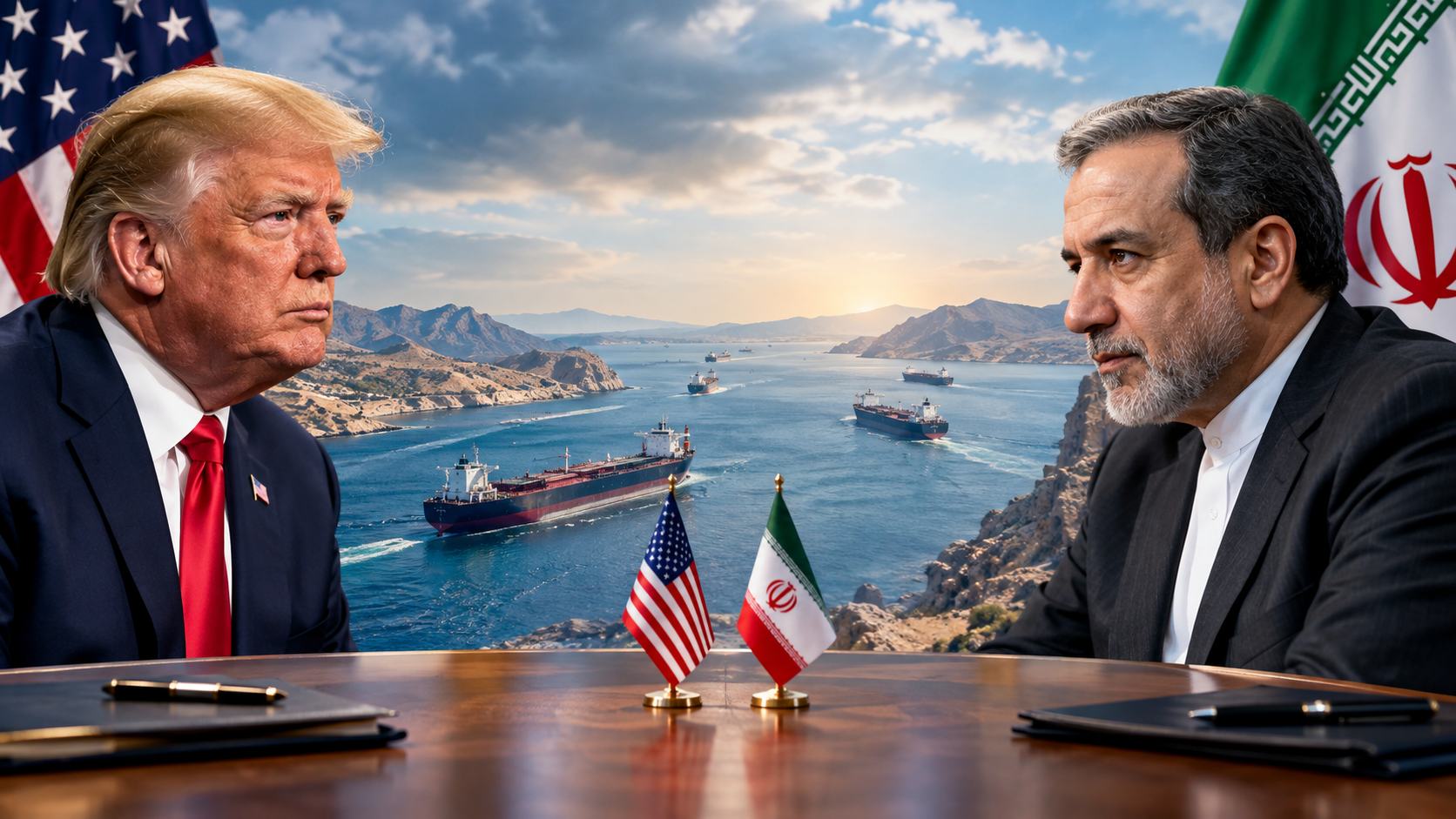
  • Iran’s Hormuz Roadmap Reveals a Deeper Struggle Over Who Controls the World’s Most Important Oil Route

    The latest dispute over the Strait of Hormuz is no longer simply about reopening a blocked shipping route. It has become a contest over political authority, maritime sovereignty and who gets to define the terms under which global energy trade resumes.

    U.S. officials have publicly suggested that an agreement with Iran could be reached quickly. Tehran has pushed back against that timeline, insisting that it is negotiating a maritime framework with Oman rather than conducting direct talks with Washington.

    Iranian officials say discussions with Muscat are approaching a possible breakthrough, but the arrangement under consideration differs significantly from the free-passage system demanded by the United States.

    Under the reported Iranian proposal, Tehran would control inbound shipping through the strait, while Oman would issue clearance for outbound traffic. Iran would also expect to receive information about departing vessels and retain some ability to intervene when it believes security concerns are involved.

    The disagreement shows that the central question is not merely when Hormuz will reopen. It is what kind of maritime order will exist afterward.

    Washington and Tehran Are Describing Different Negotiations

    The public messaging surrounding the talks has created confusion.

    U.S. officials, including Treasury Secretary Scott Bessent and Secretary of State Marco Rubio, have expressed optimism that a deal could be reached soon. Their statements have encouraged investors to believe that commercial oil traffic may return more quickly than expected.

    Iran, however, has denied that the process should be described as direct U.S.-Iran negotiations. Tehran says Oman is the principal negotiating partner and intermediary.

    This difference is not merely semantic. It allows Iran to maintain that it is shaping a regional maritime arrangement rather than accepting terms dictated by Washington.

    Iran Rejects the Idea of Returning to the Old System

    Before the current conflict, the Strait of Hormuz functioned under an internationally recognized traffic-separation system, with ships following inbound and outbound lanes through Iranian and Omani waters.

    Iran has indicated that the strait will not simply return to its previous operating model.

    Tehran believes the war and the disruption of regional shipping have changed the security environment permanently. Its proposed framework would therefore preserve a formal Iranian role in monitoring and managing commercial traffic.

    For Iran, reopening Hormuz without gaining greater authority would mean surrendering one of its most powerful sources of regional leverage.

    Oman Is More Than a Messenger

    Oman has long acted as a diplomatic bridge between Iran, Gulf countries and Western governments.

    Its geography also gives it a direct stake in Hormuz because part of the shipping route passes through Omani territorial waters.

    Earlier negotiations produced proposals for shared maritime management and voluntary service fees to support navigation, security and environmental protection. Iran rejected a broader regional-management plan, but it continued negotiations with Oman over a narrower temporary arrangement.

    Muscat’s role is therefore both diplomatic and practical. Any sustainable system will require cooperation between the two countries located on opposite sides of the strait.

    The New Proposal Divides Authority by Direction

    The reported roadmap would create an unusual division of responsibility.

    Iran would control or supervise vessels entering the Persian Gulf, while Oman would manage clearance for ships leaving it. Tehran would reportedly receive advance information on outbound movements and could retain oversight where it believes intervention is necessary.

    This arrangement represents a compromise from Iran’s earlier demand for control over traffic in both directions.

    However, it falls far short of the unrestricted international passage sought by Washington.

    The proposed system may reopen trade, but it would also formally expand Iran’s influence over commercial navigation.

    The United States Wants Free Passage Without Tolls

    Washington’s position has been considerably more restrictive.

    U.S. officials have demanded that all shipping lanes reopen without attacks, political conditions or mandatory tolls. The United States regards Hormuz as an international passage through which commercial vessels should be able to travel freely.

    That creates a fundamental conflict with Iran’s position.

    Iran sees its geography and security role as giving it legitimate authority over navigation. The United States sees that same authority as a potential threat to freedom of passage and global energy security.

    A temporary arrangement may be possible, but the two sides remain divided over the principle governing it.

    Fees Remain a Sensitive Issue

    One unresolved question concerns whether ships would pay for services connected to navigation through the strait.

    Iran has argued that charges could support security, environmental protection and maritime operations. Earlier Omani proposals reportedly involved voluntary payments rather than mandatory tolls.

    Washington has strongly opposed any system it considers an Iranian tax on international shipping.

    The distinction between a voluntary service fee and a compulsory transit charge may become one of the most important legal and diplomatic questions in the negotiations.

    Oil Markets Are Trading Headlines, Not Certainty

    The possibility of a deal has already had a major effect on oil prices.

    Crude futures fell sharply after U.S. and Qatari officials suggested progress, as traders reduced the risk premium associated with prolonged disruption in Hormuz. Brent and West Texas Intermediate both dropped by more than 5% during the market reaction.

    Yet those price movements reflect expectations rather than confirmed restoration of normal shipping.

    Iran’s rejection of Washington’s timetable illustrates why volatility remains high. A single optimistic statement can push prices downward, while an attack, diplomatic setback or new restriction can send them higher again.

    Reopening Does Not Mean Returning to Normal

    Even if Iran and Oman announce an agreement, commercial shipping may not immediately return to pre-war levels.

    Shipowners must consider war-risk insurance, crew safety, possible inspections, naval activity and the risk that the arrangement could collapse during another political crisis.

    Analysts have warned that tanker operators may minimize the amount of time vessels spend inside the Gulf and remain cautious even after formal reopening.

    The physical route may reopen before confidence fully returns.

    Shipping Companies Need Predictability

    For commercial operators, the most important requirement is not political symbolism but reliable rules.

    Companies need to know who grants clearance, what information must be supplied, whether fees apply, how disputes will be resolved and what happens if a vessel is stopped.

    An arrangement that remains politically ambiguous could create delays and increase operating costs even if the waterway is technically open.

    A durable framework must therefore provide more than access. It must provide predictability.

    Hormuz Has Become a Test of Regional Sovereignty

    The negotiations also reflect a broader struggle over whether Gulf security should be managed primarily by regional states or by international powers.

    Iran argues that countries bordering the waterway should shape its future administration.

    The United States maintains that the importance of Hormuz to global commerce makes unrestricted international navigation essential.

    Oman is attempting to bridge those positions through a practical arrangement that recognizes geography without allowing one country unrestricted control.

    The outcome could influence future debates over other strategic waterways.

    A Temporary Deal Could Still Be Valuable

    The proposed framework does not need to resolve every disagreement to produce meaningful benefits.

    Even a temporary arrangement could allow more oil and gas shipments to resume, reduce pressure on global energy prices, lower insurance costs and create space for wider negotiations.

    Practical cooperation over shipping may also serve as a confidence-building measure between governments that remain divided over sanctions, military operations and Iran’s nuclear program.

    Limited agreements sometimes create the conditions for broader diplomacy.

    But Control Could Become a New Source of Conflict

    The danger is that any system granting Iran operational authority could generate repeated disputes.

    A vessel delayed or stopped by Iranian forces could trigger accusations that Tehran is abusing the agreement. Iran, meanwhile, may argue that security threats justify intervention.

    Without a trusted monitoring mechanism, each incident could undermine the wider framework.

    The agreement will therefore need clear limits, communication channels and procedures for resolving disagreements before they escalate.

    The Bigger Perspective

    Iran’s Hormuz roadmap demonstrates that reopening the strait is not simply an engineering or shipping problem.

    It is a negotiation over power.

    Washington wants the restoration of free navigation. Tehran wants recognition of a larger role in managing the waterway. Oman is trying to construct a compromise that makes commercial traffic possible without forcing either side to publicly abandon its core position.

    The competing timelines also reveal how diplomacy is being used strategically. U.S. officials emphasize speed and momentum, while Iran stresses regional negotiations and sovereignty. Each side is attempting to shape public expectations before any agreement is finalized.

    For energy markets, the difference between those narratives matters enormously. Prices respond to the possibility of reopening, but long-term stability will depend on the details of the system that replaces the wartime restrictions.

    Ultimately, a successful Hormuz agreement will not be measured only by the first tanker permitted to pass. It will be measured by whether ships can continue moving safely and predictably after the headlines fade.

    The real challenge is therefore not simply reopening the world’s most important oil corridor. It is creating a maritime order that Iran, Oman, Gulf exporters, shipping companies and international powers can all accept—and trust enough to keep functioning during the next crisis.

  • America’s Missile Stockpile Debate: Why the Iran Conflict Is Raising Bigger Questions About Military Readiness

    Modern warfare is no longer judged only by battlefield victories. Increasingly, military planners are asking a different question: Can a nation sustain a prolonged conflict without exhausting its most advanced weapons?

    That debate has intensified following reports suggesting that extensive military operations involving Iran have significantly reduced portions of the United States’ inventory of long-range precision-guided missiles. While the U.S. Department of Defense has not publicly confirmed exact stockpile levels, defense analysts argue that the pace of modern combat has highlighted an important strategic challenge—maintaining enough advanced munitions to respond to multiple crises at the same time.

    The discussion extends well beyond the Middle East. It touches on a larger concern shaping defense planning across Washington: whether America’s industrial base can produce sophisticated weapons quickly enough to meet the demands of future conflicts, particularly in the Indo-Pacific.

    Modern Wars Consume Precision Weapons Faster Than Expected

    Recent conflicts have demonstrated that precision-guided missiles are used far more rapidly than many pre-war estimates anticipated.

    Unlike conventional artillery shells, advanced cruise missiles and long-range strike weapons require highly specialized components, complex manufacturing processes, and extensive testing before entering service.

    As a result, replacing expended inventories often takes months or even years rather than weeks.

    Military planners therefore increasingly measure readiness not only by existing stockpiles but also by production capacity.

    Industrial Strength Has Become a Strategic Asset

    Historically, military power was often measured by troop numbers and equipment already in service.

    Today, industrial capacity has become equally important.

    The ability to rapidly manufacture missiles, guidance systems, rocket motors, electronic components, and critical materials now plays a central role in national defense.

    Governments increasingly recognize that production lines are as strategically valuable as weapons already stored in military depots.

    The China Factor Shapes Long-Term Planning

    Many defense analysts argue that concerns about missile inventories are closely linked to broader U.S. planning for the Indo-Pacific.

    Potential future crises involving Taiwan, freedom of navigation, or regional security could require substantial quantities of long-range precision weapons.

    If inventories are reduced by earlier conflicts, policymakers naturally examine whether enough capacity remains to respond effectively elsewhere.

    This does not imply that conflict is inevitable. Rather, it reflects how defense planners prepare for multiple contingencies simultaneously.

    Precision Weapons Cannot Be Replaced Overnight

    Advanced missile systems involve thousands of specialized parts supplied through complex international and domestic supply chains.

    Microelectronics, propulsion systems, advanced sensors, composite materials, and secure software all require highly skilled manufacturing.

    Expanding production therefore involves more than increasing factory output.

    It often requires recruiting skilled workers, expanding supplier networks, securing raw materials, and investing in long-term industrial infrastructure.

    Allies Face Similar Challenges

    The debate over defense inventories is not unique to the United States.

    Many NATO members and Indo-Pacific partners have also increased spending on ammunition, missile production, and defense manufacturing after observing how quickly modern conflicts consume precision weapons.

    Several governments have announced long-term investments aimed at strengthening domestic defense industries and reducing dependence on limited production capacity.

    The issue has therefore become an international strategic concern rather than a purely American one.

    Deterrence Depends on Credible Capacity

    Military deterrence relies not only on possessing advanced weapons but also on demonstrating the ability to sustain operations if required.

    Potential adversaries often evaluate production capacity, logistics, maintenance systems, and industrial resilience alongside existing inventories.

    Maintaining credible deterrence therefore requires balancing current operational needs with preparations for future contingencies.

    Long-term planning has become just as important as immediate readiness.

    Supply Chains Are Now Part of National Security

    Recent geopolitical developments have highlighted the vulnerability of global supply chains.

    Critical defense components often depend on specialized manufacturers, rare minerals, semiconductor production, and international logistics networks.

    Governments increasingly seek to diversify suppliers, expand domestic manufacturing, and reduce dependence on potentially vulnerable external sources.

    Industrial resilience has become a core element of national security policy.

    Technology Alone Is Not Enough

    Possessing highly advanced missile systems provides an important military advantage.

    However, technological superiority must be supported by sufficient production capacity, maintenance infrastructure, trained personnel, and sustainable procurement strategies.

    Future military effectiveness will increasingly depend on balancing innovation with the ability to manufacture at scale.

    Strategic readiness therefore extends well beyond research laboratories.

    The Bigger Picture

    The current debate surrounding U.S. missile inventories reflects a broader transformation in military strategy.

    Modern conflicts have shown that advanced precision weapons are not unlimited resources. Even the world’s largest defense budgets must account for production timelines, industrial constraints, and long-term sustainability.

    Whether reports about declining inventories ultimately prove fully accurate or not, they have already reinforced an important lesson for defense planners worldwide: military strength depends not only on what a country possesses today but also on what it can produce tomorrow.

    For the United States, this discussion is shaping decisions about defense spending, industrial investment, and strategic planning for future security challenges. Similar conversations are taking place across Europe and Asia as governments reassess how to prepare for an increasingly uncertain geopolitical environment.

    Ultimately, the story is not simply about missile numbers. It is about the changing nature of military power itself. In the twenty-first century, victory is influenced not only by advanced technology or battlefield performance but also by resilient supply chains, manufacturing capacity, and the ability to sustain operations over time. In an era of prolonged strategic competition, industrial strength may become one of the most important elements of national defense.

  • A Rescue at Sea That Highlights Europe’s Bigger Migration Challenge

    The dramatic rescue of 157 migrants from a boat that caught fire in the English Channel is more than another emergency at sea. It is a reminder of the increasingly dangerous journeys many migrants attempt in search of safety, opportunity, or a new beginning.

    French coastguard teams responded quickly after receiving reports that flames had broken out aboard an overcrowded vessel attempting to cross one of the world’s busiest shipping routes. Rescue crews evacuated everyone on board before the fire could lead to a larger catastrophe, preventing what officials described as a potentially devastating loss of life.

    While the operation demonstrated the effectiveness of emergency responders, it also underscored a difficult reality: successful rescues save lives, but they do not address the conditions that continue to drive people toward high-risk maritime crossings.

    The English Channel Has Become One of Europe’s Most Dangerous Migration Routes

    The English Channel is widely known as one of the busiest maritime corridors in the world.

    Every day, large commercial ships, ferries, fishing vessels, and recreational boats navigate its waters. Small inflatable boats carrying migrants must cross these heavily trafficked shipping lanes while also coping with rapidly changing weather, strong currents, and cold water.

    Even a minor mechanical problem or onboard fire can quickly develop into a life-threatening emergency.

    The route’s complexity means that every crossing carries significant risks, regardless of the weather.

    Rescue Operations Prioritize Saving Lives

    When distress calls are received, coastguards operate under long-established international maritime obligations that require assistance to people in danger at sea.

    Search-and-rescue teams focus first on preserving life before questions regarding immigration status, asylum claims, or border procedures are addressed.

    The response to the Channel fire demonstrated this principle.

    Rescue vessels, helicopters, and emergency personnel coordinated rapidly to evacuate passengers and bring them safely ashore before the situation worsened.

    Humanitarian rescue remains one of the most fundamental responsibilities under international maritime practice.

    Fires on Small Boats Can Escalate Within Minutes

    Inflatable boats used in irregular migration are often crowded and equipped with portable fuel containers or small engines.

    In such conditions, even a minor fuel leak, engine malfunction, or accidental ignition can create a rapidly spreading fire.

    Passengers have limited space to move, few safety devices, and virtually no means of controlling flames while at sea.

    The latest incident illustrates how quickly already dangerous crossings can become life-threatening emergencies.

    Human Smuggling Networks Continue to Exploit Desperation

    European authorities have repeatedly warned that organized smuggling groups continue arranging dangerous Channel crossings despite the obvious risks.

    These networks frequently overload small vessels, provide inadequate safety equipment, and prioritize profit over passenger welfare.

    Migrants often pay significant sums for journeys conducted in unsuitable boats with limited navigation capability.

    Law enforcement agencies continue investigating and prosecuting smuggling operations, but demand for these routes persists.

    Rescue Alone Cannot Solve Migration

    Every successful rescue represents an important humanitarian achievement.

    However, emergency operations occur only after migrants have already embarked on dangerous journeys.

    Long-term solutions require addressing the wider factors that encourage irregular migration, including conflict, political instability, persecution, poverty, and limited opportunities in countries of origin or transit.

    International cooperation therefore remains essential alongside maritime enforcement.

    Border Security and Humanitarian Responsibility Must Work Together

    Governments across Europe continue balancing two important responsibilities.

    They seek to protect national borders while also ensuring that people in immediate danger receive assistance.

    These objectives are sometimes portrayed as competing priorities, yet maritime law requires rescue regardless of immigration status.

    Effective policy therefore combines border management with strong search-and-rescue capability and international cooperation against human trafficking.

    The Human Stories Often Remain Untold

    Statistics describing migrant crossings rarely capture individual experiences.

    Many passengers undertaking these journeys are fleeing armed conflict, political persecution, economic collapse, or humanitarian crises. Others hope to reunite with family members already living elsewhere.

    Regardless of their reasons for travelling, the immediate priority during maritime emergencies remains preserving human life.

    Behind every rescue operation are families, personal histories, and uncertain futures.

    Europe Continues Searching for Long-Term Solutions

    Migration across the English Channel remains one of Europe’s most politically sensitive issues.

    Governments continue discussing stronger border cooperation, expanded legal migration pathways, faster asylum procedures, enhanced intelligence sharing, and tougher action against organized smuggling networks.

    While policy debates continue, rescue agencies remain prepared for future emergencies because dangerous crossings have not stopped.

    The humanitarian challenge therefore persists alongside political negotiations.

    The Bigger Picture

    The rescue of 157 people from a burning boat in the English Channel demonstrates both the effectiveness of maritime emergency services and the continuing risks facing migrants attempting dangerous sea crossings.

    The incident serves as a reminder that the Channel is not merely a geographical boundary. It has become a humanitarian frontier where search-and-rescue operations, immigration policy, international law, and human hope intersect under extremely difficult conditions.

    For rescue teams, the mission is always clear: save lives first.

    For policymakers, however, the challenge extends much further. Preventing future tragedies requires reducing the need for dangerous crossings, dismantling criminal smuggling networks, expanding international cooperation, and addressing the deeper forces that continue driving migration.

    Ultimately, the success of this rescue should be measured not only by the 157 lives saved that day but also by whether future generations are less likely to find themselves risking everything aboard overcrowded boats in one of the world’s busiest and most hazardous waterways.

  • Why Oman’s Free 14-Day Tourist Visa Is More Than a Travel Perk—It’s a New Tourism Strategy

    In today’s global tourism industry, attracting international visitors is no longer just about stunning beaches, mountain landscapes, or luxury resorts. Increasingly, the competition begins with immigration policy.

    Oman’s decision to launch a free 14-day tourist visa reflects this changing reality. Instead of using visa requirements as administrative barriers, the country is positioning them as an invitation—making short-term travel simpler, faster, and more affordable for eligible visitors.

    The newly introduced visa, which carries zero Omani rials in fees, became effective on August 3, 2026. While the initiative has generated significant interest among travelers, one important detail remains pending: Omani authorities have not yet published the official list of nationalities eligible for the new visa.

    The announcement signals a broader ambition. Oman is not simply adjusting immigration rules; it is strengthening its position in an increasingly competitive regional tourism market.

    Tourism Is Becoming a Key Economic Growth Engine

    For decades, Oman’s economy has relied heavily on energy resources.

    Like many Gulf nations, however, the country has accelerated efforts to diversify its economy by investing in tourism, logistics, culture, and hospitality.

    Encouraging more international visitors supports hotels, restaurants, transport services, local businesses, cultural attractions, and employment opportunities across the country.

    Visa reform has become one of the quickest ways to stimulate that growth.

    Simpler Entry Means More Spontaneous Travel

    Modern travelers increasingly value convenience.

    Complicated visa applications, high processing fees, and lengthy approval times often influence destination choices as much as airfare or hotel prices.

    By eliminating the visa fee for short stays, Oman reduces one of the first obstacles travelers encounter.

    This makes weekend breaks, family holidays, and multi-country Gulf itineraries easier to plan.

    For many tourists, simplicity itself has become a major attraction.

    A Two-Week Stay Fits Today’s Travel Habits

    Travel behavior has changed considerably over the past decade.

    Rather than taking one long annual vacation, many people now prefer several shorter trips throughout the year.

    A 14-day visa aligns well with these trends.

    It provides enough time to explore Muscat’s historic neighborhoods, experience Oman’s mountain landscapes, visit desert regions, relax along its coastline, and enjoy cultural heritage sites without requiring lengthy immigration procedures.

    Shorter, flexible travel is becoming increasingly popular worldwide.

    Eligibility Is Still the Biggest Question

    Although excitement surrounding the policy is understandable, travelers should avoid assuming automatic eligibility.

    At present, the Omani government has not officially released the list of countries whose citizens qualify for the free visa.

    Until those details become available, existing visa requirements remain applicable for travelers whose eligibility has not yet been confirmed.

    Checking official immigration guidance before booking travel remains essential.

    Oman Is Competing in a Fast-Changing Gulf Tourism Market

    The Gulf region has become one of the world’s fastest-growing tourism destinations.

    Countries including the United Arab Emirates, Saudi Arabia, Qatar, and Bahrain have invested heavily in airports, hotels, entertainment, sporting events, and simplified visa systems.

    Oman’s latest policy demonstrates that regional competition increasingly focuses on visitor experience rather than only infrastructure.

    Ease of entry has become a competitive advantage.

    Flexible Visas Encourage Longer Visits

    One notable feature of the new system is the possibility that eligible visitors may convert the free 14-day visa into another tourist visa category before it expires, provided they satisfy applicable conditions.

    This flexibility benefits travelers who decide to extend their holidays while also encouraging additional tourism spending within Oman.

    Modern immigration systems increasingly prioritize adaptability alongside border security.

    Digital Travel Expectations Continue to Rise

    International travelers now expect immigration services to be fast, transparent, and digitally accessible.

    Electronic visas, online applications, automated immigration processing, and mobile travel updates have become standard expectations.

    Oman’s latest reform reflects this broader transformation toward more traveler-friendly border management.

    Future tourism competitiveness will increasingly depend on how seamless the travel experience becomes from application to arrival.

    Tourism Supports Local Communities

    Every additional visitor contributes to a much wider economic network.

    Taxi operators, local guides, handicraft sellers, restaurants, cafés, museums, adventure tourism companies, and small family businesses all benefit from increased visitor numbers.

    Tourism therefore supports regional development as well as national economic diversification.

    Simplifying visas can have positive effects that extend far beyond airports.

    The Bigger Picture

    Oman’s decision to introduce a free 14-day tourist visa represents more than a change in immigration regulations.

    It reflects a broader transformation in global tourism strategy, where countries increasingly compete through accessibility, convenience, and visitor experience rather than relying solely on natural attractions or luxury facilities.

    The initiative also highlights how visa policy has evolved into an important economic instrument. Easier entry can encourage more spontaneous travel, strengthen tourism revenues, support local businesses, and enhance a country’s international profile.

    Whether the new policy significantly increases visitor arrivals will depend on the final list of eligible nationalities and the efficiency of its implementation. However, one message is already clear: Oman is positioning itself as a destination that values openness, convenience, and modern travel expectations.

    In an increasingly competitive tourism landscape, the first impression of a country often begins not at a hotel or a beach—but with the ease of crossing its border. Oman’s latest move demonstrates that sometimes the most effective tourism promotion starts with making it easier simply to say “welcome.”

  • How Immigration Reshaped Israeli Politics: Why the Russian-Speaking Vote Has Become a Decisive Electoral Force

    elections are often portrayed as contests between political parties or individual leaders. In reality, they are frequently decided by demographic shifts that unfold over decades rather than months.

    In Israel, one of the most influential political developments has been the arrival of hundreds of thousands of immigrants from the former Soviet Union since the early 1990s. This migration—often referred to as the Russian-speaking aliyah—has transformed the country’s social, economic, and political landscape.

    Today, analysts widely regard this community as one of Israel’s most significant electoral constituencies. As coalition governments are frequently formed through narrow parliamentary majorities, even relatively small changes in voting patterns can influence who ultimately becomes prime minister.

    The growing attention surrounding this voting bloc reflects a broader political reality: in parliamentary democracies, demographic change can become just as important as campaign strategy.

    Immigration Can Change Politics for Generations

    Large-scale migration rarely affects only population figures.

    New communities bring different professional experiences, educational backgrounds, security perspectives, cultural traditions, and political priorities. Over time, these factors shape public debate and electoral outcomes.

    The arrival of immigrants from Russia and other former Soviet republics significantly expanded Israel’s electorate while introducing new policy priorities into national politics.

    Their influence has continued to evolve across multiple election cycles.

    Coalition Governments Magnify Every Vote

    Israel’s parliamentary system differs from presidential systems where one national vote determines executive leadership.

    No single party usually wins an outright majority in the Knesset, requiring coalition governments formed through negotiations among several parties.

    In such a system, communities representing even a modest share of the electorate can become politically decisive if their voting preferences influence coalition arithmetic.

    This explains why Russian-speaking Israelis receive considerable attention during election campaigns.

    Security Remains a Major Political Issue

    Many members of the Russian-speaking community arrived from regions shaped by significant geopolitical change.

    As a result, national security, military preparedness, and regional stability often receive considerable attention within political discussions involving these voters.

    However, it is important to avoid treating the community as politically uniform.

    Like any large electorate, Russian-speaking Israelis hold diverse opinions across economic policy, religion, education, healthcare, foreign affairs, and constitutional questions.

    Their political influence reflects diversity rather than complete agreement.

    Economic Integration Also Shapes Voting

    Immigration affects politics not only through security issues.

    Employment opportunities, housing affordability, professional recognition, education, pensions, healthcare, and business development all influence long-term political preferences.

    Communities often support parties they believe can address these practical concerns most effectively.

    As generations become more integrated into Israeli society, political priorities also continue evolving.

    Identity Is Becoming More Complex

    Younger Russian-speaking Israelis frequently combine multiple cultural identities.

    Many were born in Israel or arrived as children, speak Hebrew fluently, and participate fully in Israeli public life while maintaining family and cultural connections to their heritage.

    This generational evolution means future voting behavior may differ from that of earlier immigrant generations.

    Political parties increasingly recognize this changing demographic landscape.

    Elections Are About More Than One Community

    Although analysts frequently highlight the importance of Russian-speaking voters, Israeli elections are influenced by many demographic groups.

    Religious communities, secular voters, Arab citizens, younger urban professionals, residents of peripheral regions, and numerous other constituencies all contribute to electoral outcomes.

    No single voting bloc alone determines national leadership.

    Successful political coalitions usually require broad support across multiple segments of society.

    Demographics Are Reshaping Democracies Worldwide

    Israel is not unique in experiencing demographic political change.

    Migration has influenced elections throughout Europe, North America, Australia, and other democratic societies.

    As populations become increasingly diverse, political parties adapt their policies, messaging, and campaign strategies to address evolving social realities.

    Immigration therefore becomes both a demographic and a political force.

    Coalition Politics Requires Continuous Negotiation

    One characteristic of parliamentary democracy is that election night rarely marks the end of political negotiations.

    Coalition discussions often continue for weeks as parties seek agreements on policy priorities, ministerial positions, and legislative agendas.

    The influence of different voter groups therefore extends beyond the ballot box into the coalition-building process itself.

    This makes demographic analysis especially important in understanding parliamentary systems.

    The Bigger Picture

    The growing political influence of Russian-speaking Israelis demonstrates how immigration can reshape democratic politics over generations.

    Communities that initially arrive seeking security and opportunity gradually become integral participants in national decision-making, influencing elections, public policy, and political debate.

    At the same time, it is important to avoid reducing complex electoral dynamics to any single demographic group. Israeli elections, like those in many parliamentary democracies, are ultimately determined by the interaction of multiple communities, coalition negotiations, leadership choices, and changing public priorities.

    Whether any particular leader succeeds or fails depends on far more than one voting bloc alone.

    The broader lesson extends beyond Israel itself. Modern democracies increasingly reflect demographic change as much as traditional political competition. Migration, generational change, and evolving social identities are becoming long-term forces that influence governance every bit as much as election campaigns.

    Ultimately, the story is not simply about who wins political power. It is about how societies transform over time—and how those transformations gradually reshape the democratic process itself.